
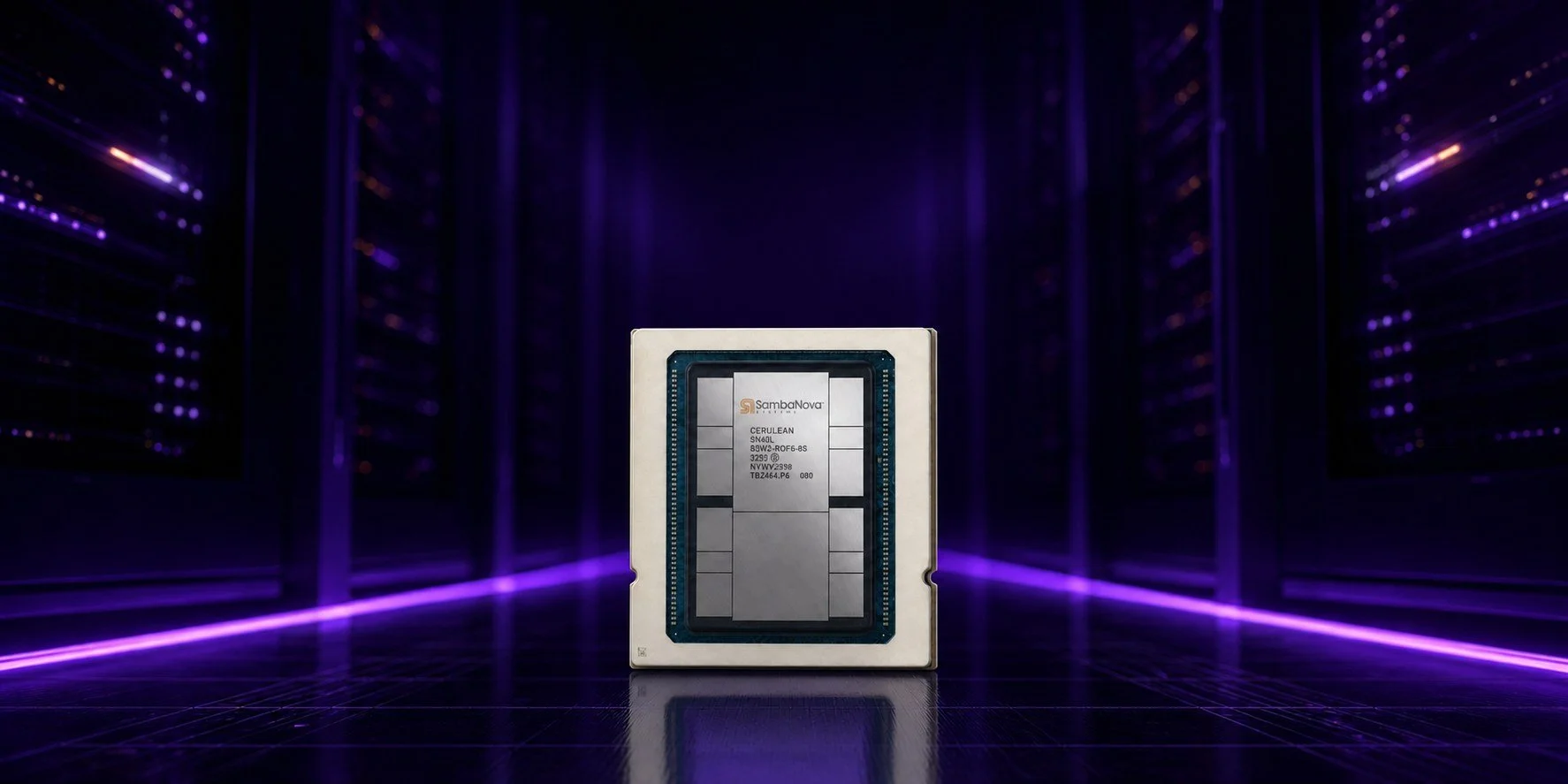
RDU vs GPU: What’s the Difference?
AI doesn't have to run on GPUs. SambaNova's Reconfigurable Dataflow Units take a fundamentally different approach to running large AI models, designed around dataflow rather than repeatedly moving data between processors and memory.
The result is an AI inference architecture designed for large models, high throughput and efficient use of power.
Two Different Ways to Run AI
GPUs and RDUs can both run advanced AI models, but they approach the computational problem differently. Understanding that difference helps explain why RDU architecture can deliver significant advantages for large-scale AI inference.
Why This Matters for AI
AI inference is changing. Agentic AI does not simply generate one response and stop. Agents may reason through multiple steps, call models repeatedly, retrieve information and interact with other systems. That places very different demands on the underlying compute infrastructure.
SambaNova designed its RDU architecture around high-performance inference and dataflow, addressing the growing demands created by large models and increasingly complex AI workloads.
RDU + GPU: The Right Compute for the Workload.
RDU and GPU architectures do not have to be mutually exclusive. In a disaggregated AI environment, different compute technologies can work together, with workloads directed to the architecture best suited to each stage of the process.
For agentic AI, this can be particularly important. Fast RDU inference can reduce the time between successive model calls, while CPUs and GPUs continue to perform the tasks for which they are best suited.
Why does the architecture matter?
Different compute architectures produce different results in the real world. For organisations deploying AI, the important questions are performance, efficiency and the ability to scale.
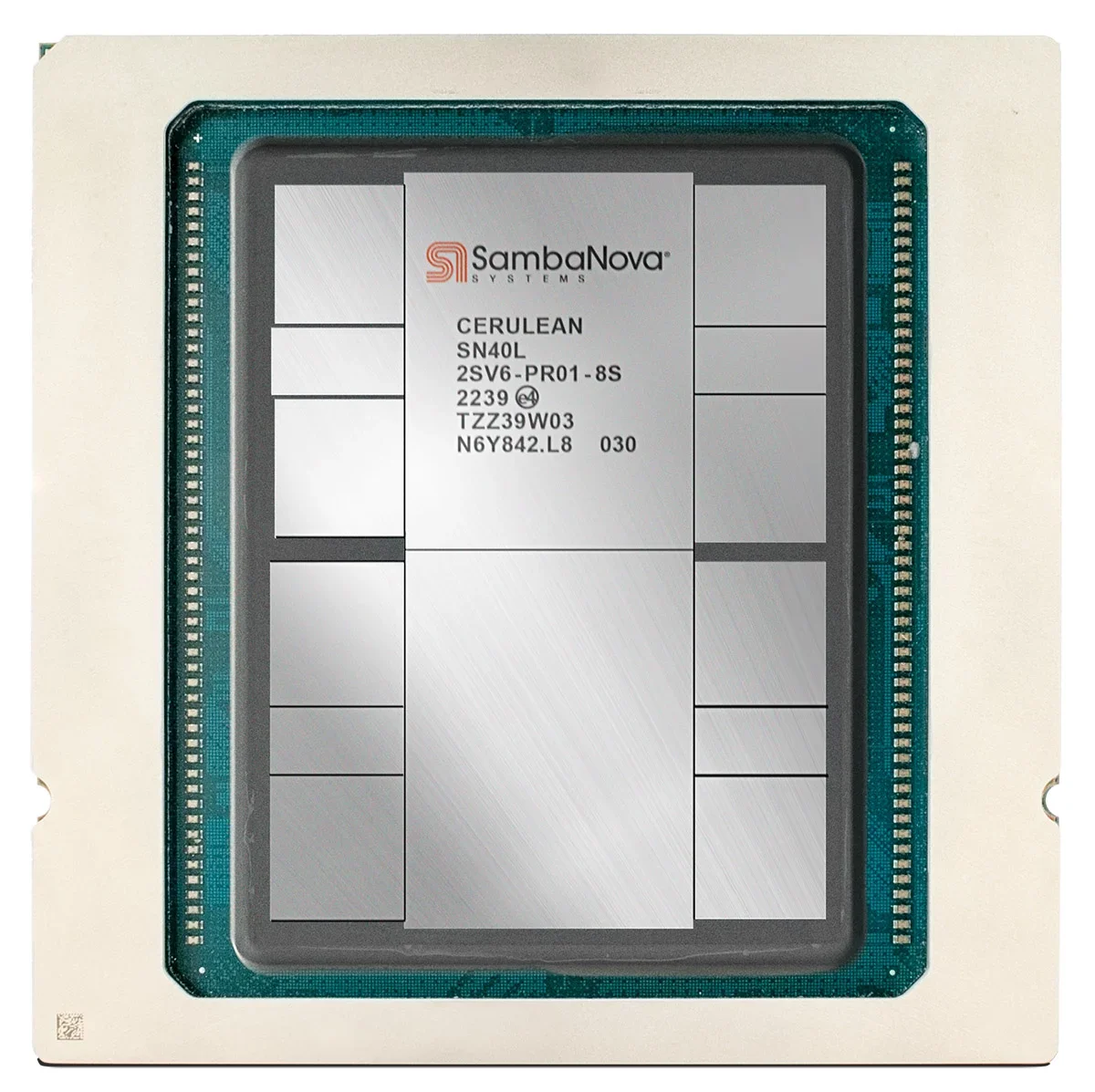
1. PERFORMANCE
Faster AI inference
RDU architecture is designed for high-speed inference, allowing large models to generate responses rapidly and reducing the delay between successive model calls.
For agentic AI, where a single task may require many model interactions, that difference can become significant.

2. EFFICIENCY
More AI from the power available
Dataflow architecture reduces the repeated movement of data between processors and memory.
That allows demanding AI inference workloads to make more efficient use of compute and power, particularly as models and workloads grow.
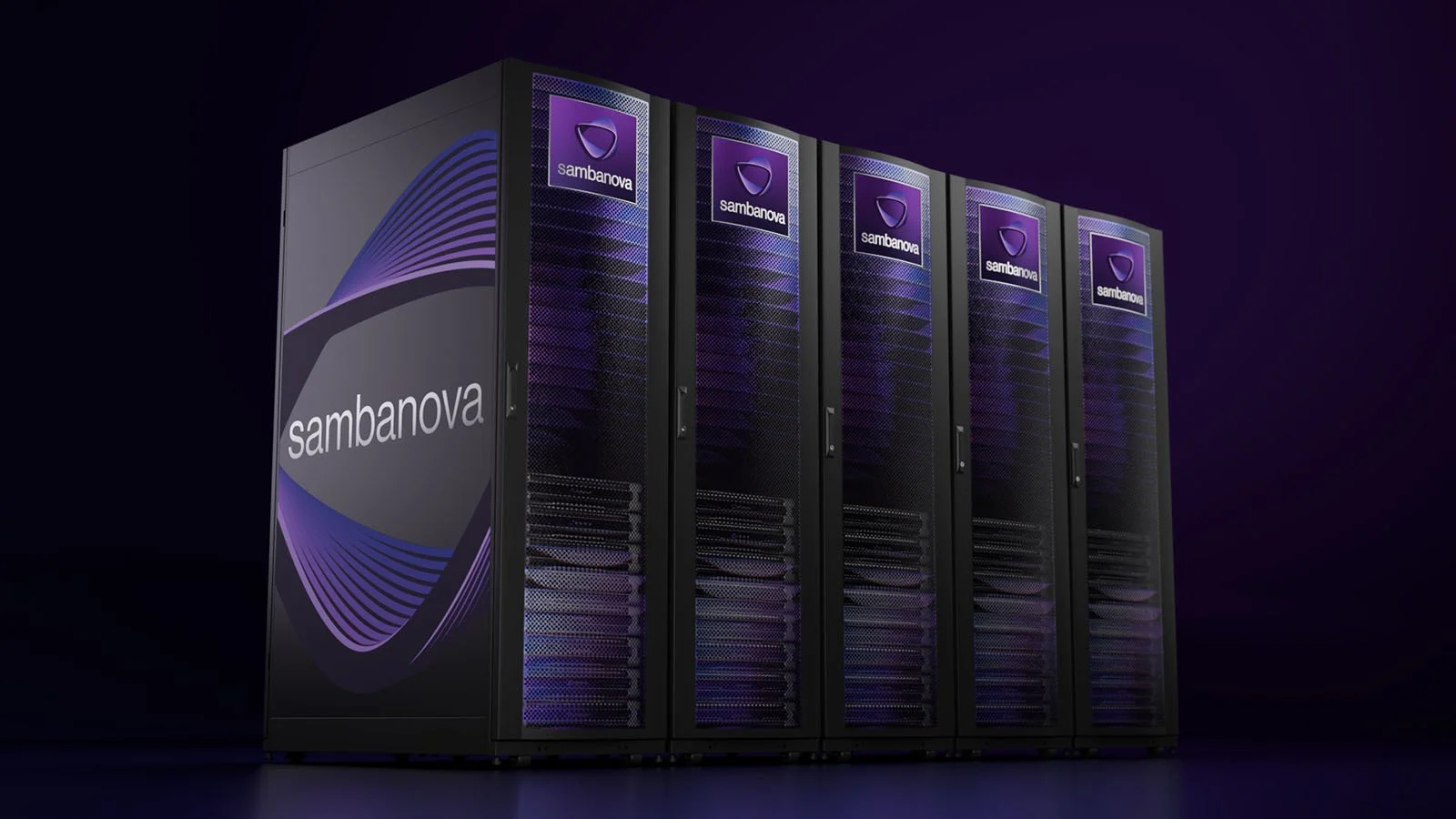
3. SCALE
Run large models at scale
RDU systems are designed to run very large AI models without requiring the conventional approach of continually adding more GPU infrastructure.
Capacity can be scaled around the workload, from individual applications through to enterprise AI deployments.