
Engineered Precision, Delivered
Sovereign AI inference for real work. Run code development and agentic workflows on infrastructure built for control, measurable performance and room to grow.
Why inference architecture matters
A code-building or agentic workflow can make many model requests to complete one task. Response time, throughput and energy use matter at every step. This SambaNova video explains how its dataflow architecture is designed to keep inference moving through those repeated requests.
Inference today and what comes next
SN40 gives organisations a deployment option today, with managed, on-premises and air-gapped approaches. SN50 is planned from Q2 2027. Together, they show how Argyll is building its inference offering around the needs of real workloads.
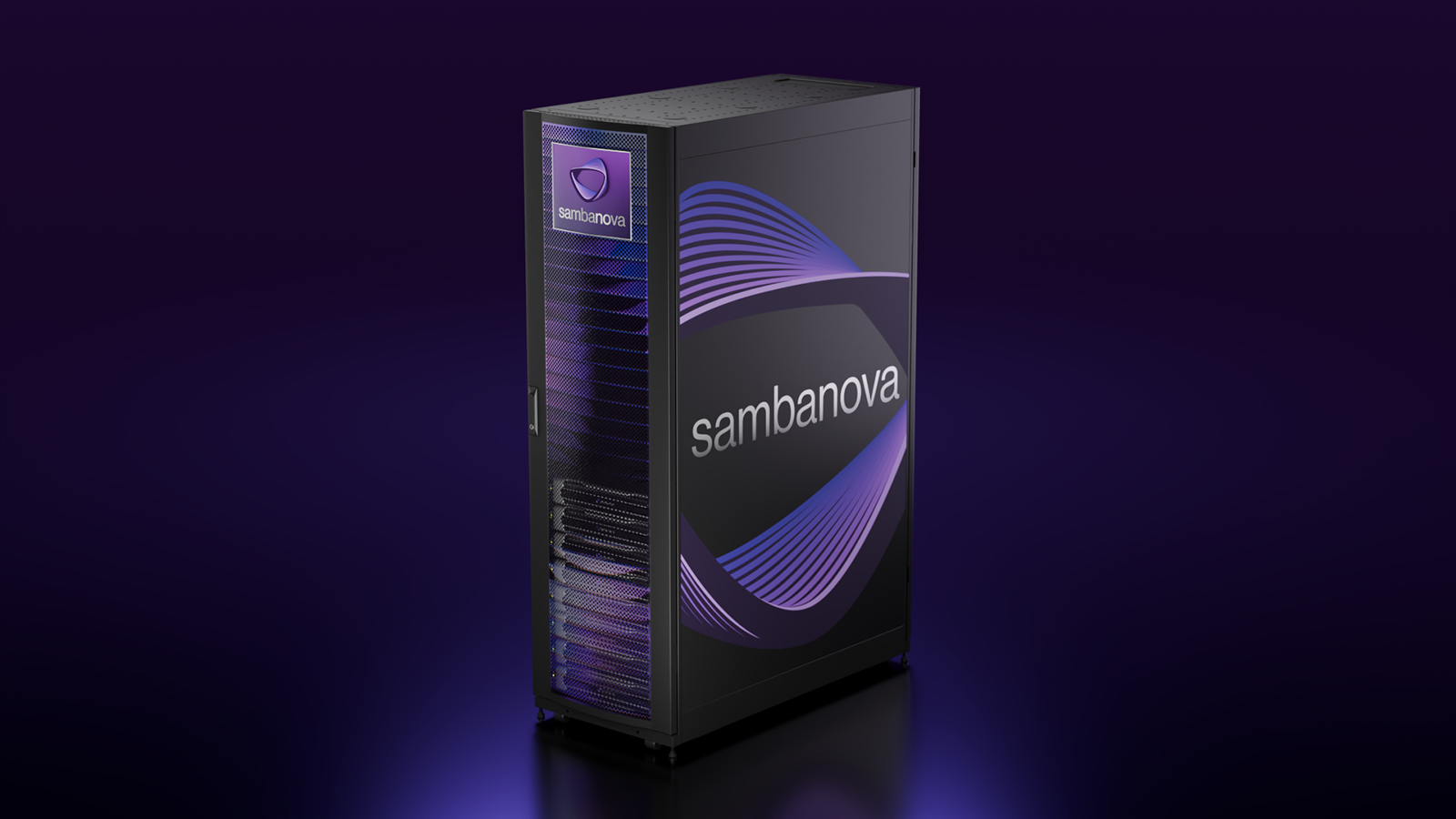
SN 40 Deployment
Argyll offers SN40 as a ten-rack cluster for organisations that need dedicated AI inference infrastructure. Deployment options include:
Managed service: Argyll operates the infrastructure and provides access to inference as a service.
On-premises deployment: Install the cluster within your own facility.
Air-gapped deployment: Run AI workloads in an environment isolated from external networks.
Integrated rack system: SambaRack combines inference hardware, networking and software in a rack-level system.
Purpose-built inference: SN40 Reconfigurable Dataflow Units are designed to run large generative AI models and agentic workloads.
Air-cooled design: The racks are designed for deployment in existing data centres.
Measured operation: Track throughput, availability, response times and energy use as workloads grow.
An individual SambaRack SN40-16 contains 16 SN40 RDUs. SambaNova specifies average inference power of 10 kW per SN40-16 rack; whole-cluster power depends on the final configuration and supporting equipment. Offered as managed service or outright sale.
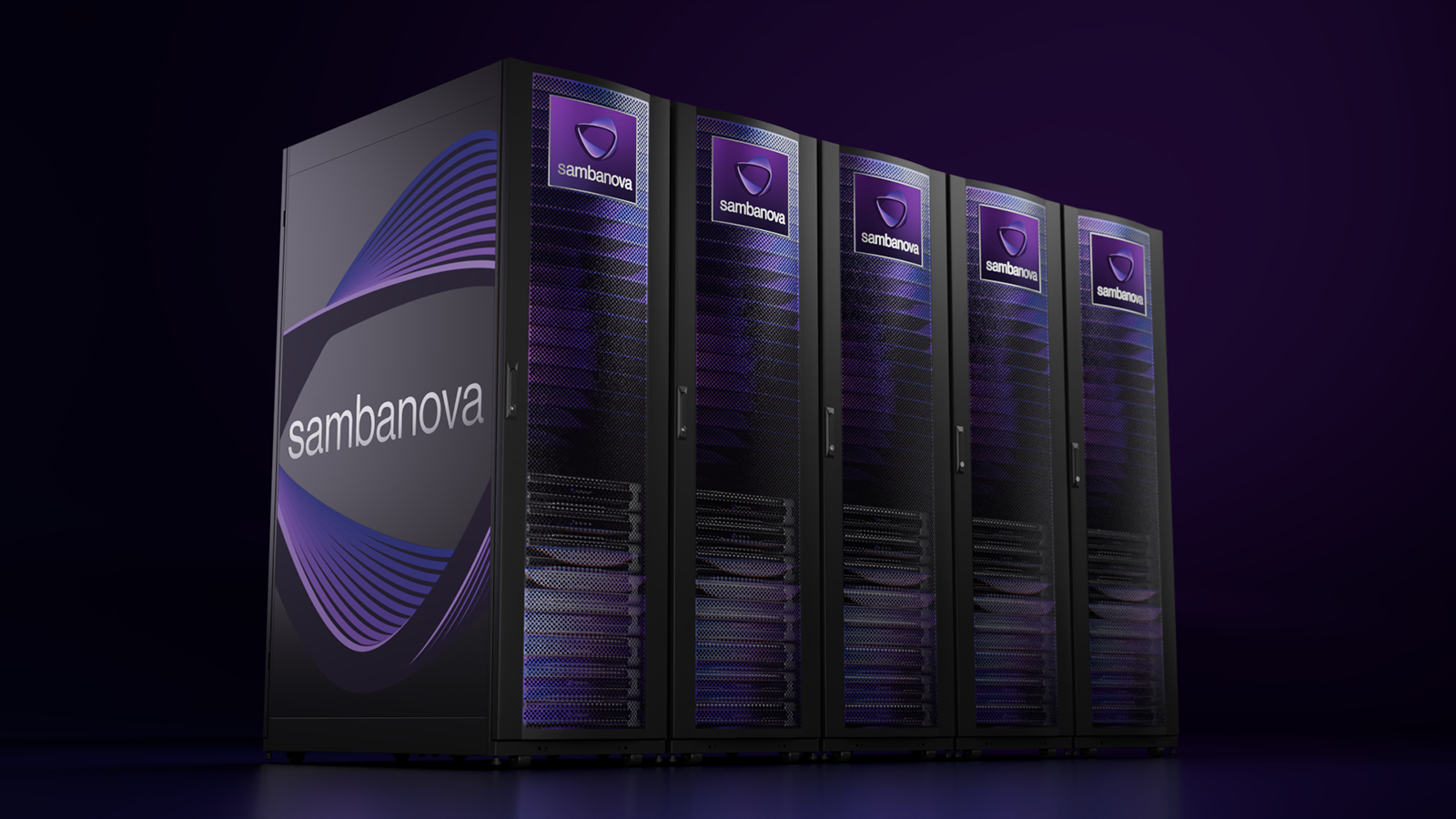
SN 50 available from Q2 2027
SN50 is SambaNova’s fifth-generation Reconfigurable Dataflow Unit, designed for large AI models and demanding inference workloads.
Fast token generation: Designed for the decode stage of inference, when a model generates its response.
Agentic workloads: Built for coding agents and other applications that make repeated, complex requests.
Continuous dataflow: Chains operations together to reduce repeated movement between compute and memory.
Support for concurrent users: Designed to sustain throughput as multiple users and workloads run.
Three-tier memory: Combines on-chip SRAM, high-bandwidth memory and DDR5 to keep frequently used data close to compute.
RDU specifications: Each SN50 provides 432 MB of on-chip SRAM, 64 GB of HBM2E and support for up to 2 TB of DDR5.
Rack configuration, deployment options and operating power will depend on the SN50 system offered as managed service or outright sale.
Choosing compute for the workload
Different AI tasks place different demands on infrastructure. SambaNova’s video explores how specialised inference can work alongside other forms of compute. For customers, the goal is practical: choose an architecture that fits the workload, keeps data under appropriate control and can be measured as demand grows.
Plan your deployment

Tell us what your users need to do, where your data must remain and how you want the service operated. We can help you work through the right deployment approach for your organisation.
Wish to look at planning data?